
Understanding Crimea Sanctions Implications and Effects


Understanding Crimea Sanctions: Implications and Effects
The international community has been grappling with the issue of Crimea sanctions since the region’s annexation by Russia in 2014. These sanctions have profound implications for international relations, trade operations, and the economic landscape, leaving many stakeholders seeking clarity on what these measures entail and how they impact their activities. For an in-depth examination of these sanctions and their effects on international operations, visit information on Crimea sanctions https://jurisnotary.com/pgs/crimea-sanctions-what-they-mean-for-international-operations.html.
Historical Context of Crimea Sanctions
The annexation of Crimea by Russia in March 2014 marked a turning point in international relations, leading Western nations to impose a series of sanctions aimed at penalizing Russia for its actions. The sanctions were implemented in response to not only the annexation but also the ongoing conflict in Eastern Ukraine and Russia’s military activities in the region. The sanctions targeted various sectors, including finance, energy, and defense, with the objective of pressuring Russia to reverse its actions and uphold international law.
Types of Sanctions Imposed
Sanctions related to Crimea can be categorized into several types, each with different implications:
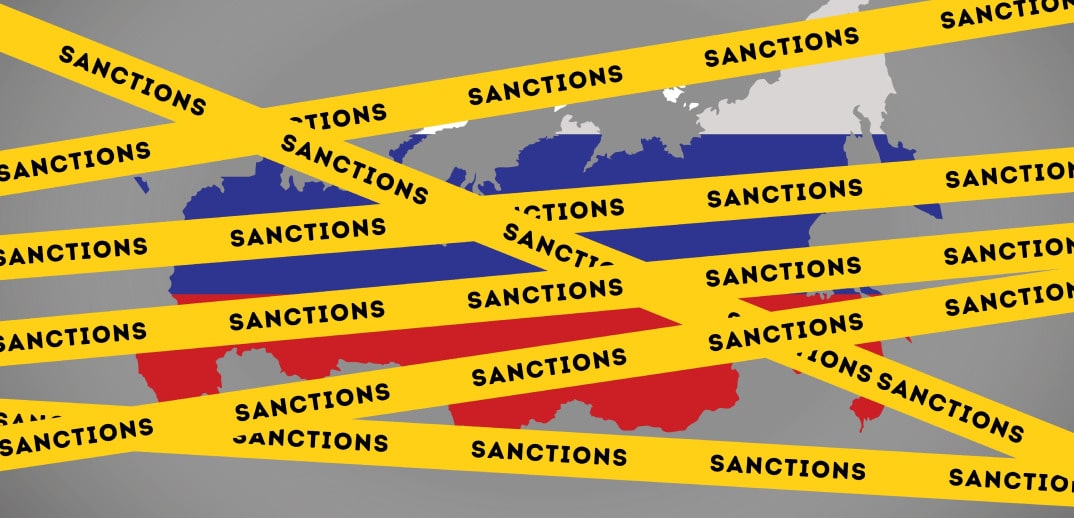
- Economic Sanctions: These measures restrict financial transactions with Russian entities operating in Crimea, limiting access to international markets.
- Trade Restrictions: Certain goods and services, especially in sectors such as technology and military, are prohibited from being exported to Crimea.
- Person-Specific Sanctions: Individuals and entities involved in the annexation process face asset freezes and travel bans, making it challenging for them to operate internationally.
Impact on International Trade
The sanctions have significantly altered the landscape of international trade, particularly for companies considering operations in the region. Businesses must navigate a complex legal framework and impose due diligence measures to ensure compliance with sanctions. Failure to adhere to these regulations can result in severe penalties, including hefty fines and restrictions on doing business with other nations.
Legal Considerations for Businesses
Companies operating in industries that might interact with Crimea must maintain clear compliance policies. This includes conducting thorough risk assessments and implementing compliance training programs for employees. Legal experts underscore the importance of understanding the specific sanctions applicable to various business operations, as violations can lead to legal consequences for both individuals and corporations.
Global Response and Cooperation
The response to Crimea sanctions has mirrored broader international relations trends. The United States, the European Union, and other allied countries have consistently coordinated their sanction measures, creating a unified front against the actions of Russia. This cohesive approach aims to increase the pressure on Russia to negotiate and adhere to international norms. However, varying interpretations and implementations of sanctions across countries can create friction and complicate international business operations.
Effects on Humanitarian Aid
While sanctions are intended to target government actors and economic resources, there are often unintended consequences that affect the civilian population. Hum

anitarian aid organizations must carefully navigate these sanctions to ensure that their relief efforts do not violate any regulations. This adds layers of complexity to delivering aid and necessitates collaboration with legal experts to avoid complications.
The Future of Crimea Sanctions
Looking ahead, the situation in Crimea remains fluid, with potential future developments that could alter the sanctions landscape. The geopolitical environment, changes in leadership in key countries, and ongoing diplomatic negotiations will all play pivotal roles in shaping the future of these sanctions. Stakeholders should remain vigilant and adaptable, keeping a close eye on updates and changes to existing sanctions.
Conclusion
In summary, Crimea sanctions represent a key element of the international response to territorial disputes and violations of sovereignty. Understanding the intricacies of these sanctions is essential for individuals and businesses operating within or outside the region. The burden of compliance, the impact on international trade, and the consequences for humanitarian efforts all demonstrate the wide-reaching effects of these measures. Those seeking to engage in business or operations involving Crimea must prioritize a thorough grasp of the legal landscape to navigate the challenges presented by these sanctions.