
Experience the Thrill of Ice Fishing in the UK’s Chilly Waters

Ice fishing is a unique and captivating experience that has gained popularity in the UK. Players from all over the country are drawn to the idea of catching fish through a hole in the ice, but beneath the surface lies a more complex issue. Like any form of gambling, ice fishing can be addictive and lead to severe consequences if not managed responsibly.
The Perils of Ice Fishing Addiction: A UK Perspective
Ice fishing can be a thrilling experience, but like any form of gambling, it can also lead to addiction. In this article, we’ll delve into the potential risks associated with ice fishing and how to identify the warning signs of addiction.
Understanding the Ice Fishing Trap
Ice fishing games like icefishing-demo.co.uk can be designed to be highly engaging, making it difficult for players to stop once they’ve started. The instant gratification of winning can lead to a psychological attachment to the game, making it challenging for players to recognize the warning signs of addiction.
| Warning Signs | Description |
|---|---|
| Increased frequency and duration of play | Playing for longer periods and more frequently than initially intended |
| Neglecting responsibilities and relationships due to ice fishing | Prioritizing ice fishing over work, school, or personal relationships |
| Feeling anxious or irritable when unable to play | Experiencing negative emotions when unable to play ice fishing games |
| Hiding ice fishing habits from friends and family | Concealing ice fishing habits from loved ones due to feelings of guilt or shame |
Recognizing the Signs of Ice Fishing Addiction
It’s essential to recognize the warning signs of addiction to prevent severe consequences. If you or someone you know is experiencing any of the following symptoms, it may be time to seek help.
| Warning Signs | Description |
|---|---|
| Increased frequency and duration of play | Playing for longer periods and more frequently than initially intended |
| Neglecting responsibilities and relationships due to ice fishing | Prioritizing ice fishing over work, school, or personal relationships |
| Feeling anxious or irritable when unable to play | Experiencing negative emotions when unable to play ice fishing games |
| Hiding ice fishing habits from friends and family | Concealing ice fishing habits from loved ones due to feelings of guilt or shame |
The Impact of Ice Fishing on Mental Health in the UK
Ice fishing addiction can have severe consequences on mental health, including depression, anxiety, and stress. In this section, we’ll explore the impact of ice fishing on mental health and provide resources for seeking help.
Seeking Help for Ice Fishing Addiction
If you’re struggling with ice fishing addiction, it’s essential to seek help. Resources such as support groups and counseling services can provide the necessary tools to overcome addiction. By maintaining a healthy balance between ice fishing and other aspects of life, you can enjoy the thrill of ice fishing while prioritizing your mental health.
Staying Safe and Responsible While Ice Fishing in the UK
Ice fishing can be a fun and exciting experience, but it’s essential to prioritize responsible gaming practices. In this section, we’ll provide tips for staying safe and responsible while ice fishing.
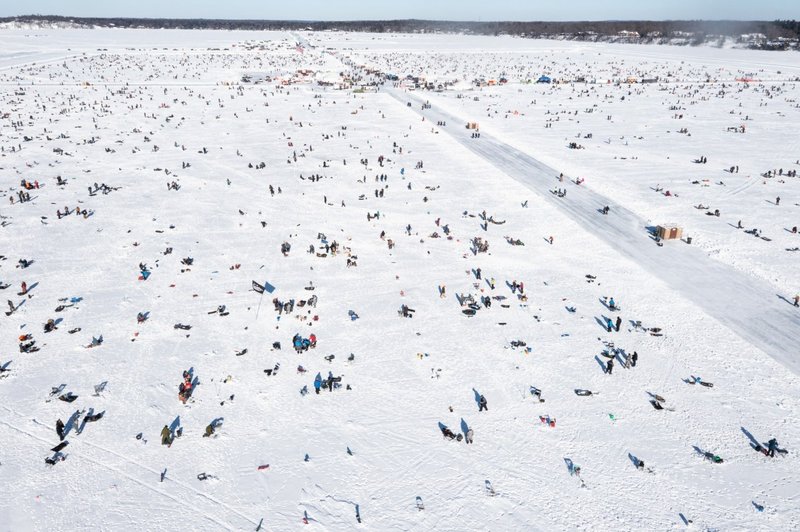
Responsible Ice Fishing Practices
To enjoy ice fishing responsibly, follow these tips:
Set limits and stick to them Prioritize physical and mental health * Recognize the signs of addiction and seek help when needed
Staying Informed About Ice Fishing Regulations in the UK
Understanding the laws and regulations surrounding ice fishing in the UK is crucial for a safe and enjoyable experience. Stay up-to-date with the latest developments and changes in the industry to ensure compliance with local regulations.
By prioritizing responsible gaming practices and recognizing the warning signs of addiction, you can enjoy the thrill of ice fishing in the UK’s chilly waters while maintaining a healthy balance between gaming and other aspects of life.